- Free Consultation: (217) 544-4057 Tap Here To Call Us




Laws for Cannabis-Related DUI: Navigating Illinois Implied Consent Understanding License Suspensions Under 625 ILCS 5/11-501.9 in Springfield


What Is Illinois’ Implied Consent Law for Cannabis Impairment, and How Does It Affect Springfield Drivers?
As a leading criminal and DUI defense lawyer in Springfield, Illinois, I’ve seen firsthand how the evolving landscape of cannabis laws can create confusion for drivers in Sangamon County. With recreational cannabis legal since 2020, many residents assume they’re in the clear if they’re not over the limit—but that’s not always the case. If you’ve been pulled over on I-55 or near Lake Springfield and faced a request for roadside tests, you might be dealing with the harsh realities of implied consent violations. In this post, we’ll break down 625 ILCS 5/11-501.9, explain what it means for your driver’s license, and provide actionable steps to protect your rights. Hanken Law has successfully challenged hundreds of DUI-related suspensions in central Illinois courts, drawing on over 35 years of experience to help clients avoid unnecessary penalties.
Under Illinois law, every driver on public roads like those in Springfield or throughout Sangamon County implicitly consents to certain tests if an officer suspects impairment. Specifically, 625 ILCS 5/11-501.9 outlines the rules for validated roadside chemical tests (like oral fluid swabs) or standardized field sobriety tests (SFSTs) approved by the National Highway Traffic Safety Administration. This statute applies when there’s reasonable suspicion of cannabis impairment while driving.
According to the statute:
“(a) A person who drives or is in actual physical control of a motor vehicle upon the public highways of this State shall be deemed to have given consent to (i) validated roadside chemical tests or (ii) standardized field sobriety tests… if detained by a law enforcement officer who has a reasonable suspicion that the person is driving or is in actual physical control of a motor vehicle while impaired by the use of cannabis.”
Importantly, officers can’t base suspicion solely on your possession of a medical cannabis card under the Compassionate Use of Medical Cannabis Program Act. They need an independent factual basis, such as erratic driving or the smell of cannabis. This is crucial for Springfield residents commuting to work in downtown or heading to events at the Illinois State Fairgrounds, where traffic stops are common.
Failing or refusing these tests triggers automatic license suspension by the Secretary of State:
• Refusal or failure to complete: 12-month suspension.
• Submission that shows impairment: 6-month suspension.
These penalties kick in administratively, separate from any criminal DUI charges under 625 ILCS 5/11-501. If you’re a commercial driver or under 21, the consequences can be even steeper, potentially overlapping with zero-tolerance rules.
What Happens If I Refuse a Field Sobriety Test for Suspected Cannabis Use in Sangamon County?
One of the most common long-tail questions we hear from clients in Springfield is: “What happens if I refuse a field sobriety test for suspected cannabis use in Sangamon County?” Refusing isn’t just a bad idea—it’s a direct path to license suspension under 625 ILCS 5/11-501.9(c), which requires officers to warn you that refusal will lead to a 12-month suspension. This is specific to cannabis related matters unlike their alcohol counterpart.
In real-world scenarios, like a late-night stop on South Grand Avenue, officers must document their reasonable suspicion in a sworn report. If they submit this to the Secretary of State, your license gets suspended automatically, even before a court hearing. But here’s where problem-solving comes in: You have the right to petition for a hearing within 90 days to challenge the suspension. As a DUI defense attorney in Springfield, I have overturned suspensions by arguing lack of reasonable suspicion or improper warnings—saving clients from months without driving privileges.
For example, in a recent case we handled for a local delivery driver, we proved the officer’s report omitted key details about the cannabis-related basis, leading to the suspension being rescinded. If you’re facing this, don’t wait—schedule a free DUI consultation to review your options.
Can I Fight a Driver’s License Suspension for Failing a Roadside Chemical Test in Illinois?
Another frequent query: “Can I fight a driver’s license suspension for failing a roadside chemical test in Illinois?” Absolutely, and timing is everything. Under 625 ILCS 5/11-501.9(e), if you fail a validated roadside chemical test (e.g., a swab detecting THC), the officer submits a sworn report, resulting in a 6-month suspension.
To fight back:
1. Request a hearing with the Secretary of State promptly—ideally within days of receiving notice.
2. Gather evidence, such as dashcam footage or witness statements, to question the test’s validity. Roadside tests aren’t foolproof; factors like recent legal consumption or test inaccuracies can be challenged.
3. Argue procedural errors, like missing warnings or insufficient probable cause.
In Springfield’s Seventh Judicial Circuit, we’ve used these strategies to reduce suspensions or get them dismissed entirely. Remember, this is separate from criminal proceedings, so even if charges are dropped, the administrative suspension might stick without action. For high-intent help, explore our DUI defense services tailored to central Illinois cases.
How Does Implied Consent Apply If I’m a Medical Cannabis User in Springfield, IL?
Clients often ask: “How does implied consent apply if I’m a medical cannabis user in Springfield, IL?” The statute explicitly states that possession of a registry card alone isn’t enough for reasonable suspicion (625 ILCS 5/11-501.9(a)). However, if officers observe impairment signs during a stop near Abraham Lincoln Capital Airport or elsewhere in Sangamon County, they can still request tests.
Real-world problem: Many medical users face suspensions despite legal use because roadside tests detect THC metabolites long after impairment fades. Solution? Challenge the “impairment” finding in a hearing. We’ve helped numerous clients by bringing in expert testimony on cannabis metabolism, proving no actual impairment at the time of driving.
If you’re a cardholder worried about this, contact me at www.hankenlaw.com for personalized advice—I specialize in cannabis-related defenses.
Common Defenses and Next Steps for Avoiding License Suspension Under 625 ILCS 5/11-501.9
Here’s how to tackle this issue head-on:
• Immediate Action Post-Stop: Politely decline tests if unsure but know the risks. Document everything—note officer interactions and request body cam footage.
• Hearing Preparation: File for a rescission hearing; focus on flaws in the sworn report, like unvalidated tests or biased suspicion.
• Long-Term Prevention: Use ride-sharing apps after consumption and understand that even legal cannabis can lead to issues if impairment is alleged.
My firm has a significant success rate in DUI suspension hearings in Sangamon County, backed by experience, board-certified experts and local court familiarity. Don’t let a suspension derail your life—whether it’s commuting to work at Memorial Medical Center or family obligations.
Ready to fight back? Book your free consultation today with an experienced Springfield criminal and DUI defense lawyer. I’m here to provide the experience backed guidance you need to navigate these complex laws and get back on the road.
Address
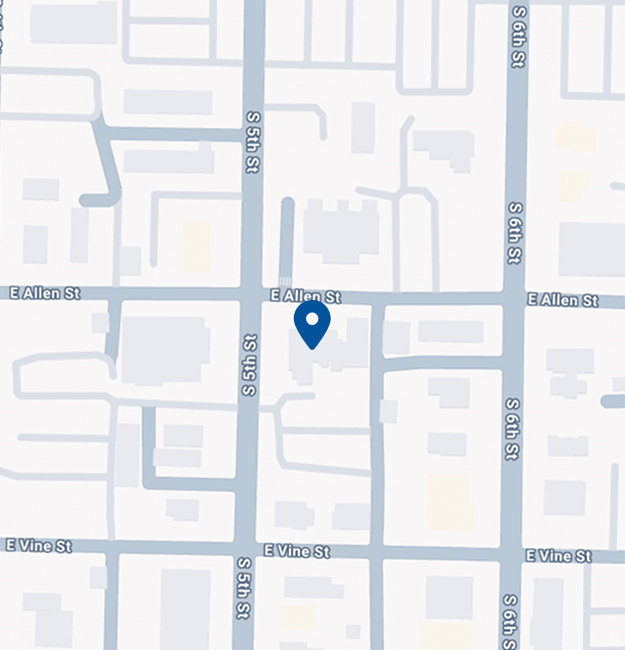
Our offices are located at the corner of South Fifth Street and Vine, in the historic Mary Bryant Home for the Blind.