- Free Consultation: (217) 544-4057 Tap Here To Call Us





Illinois DUI Myth: Red, Bloodshot Eyes Aren’t Proof of Impairment – What Every Driver Needs to Know


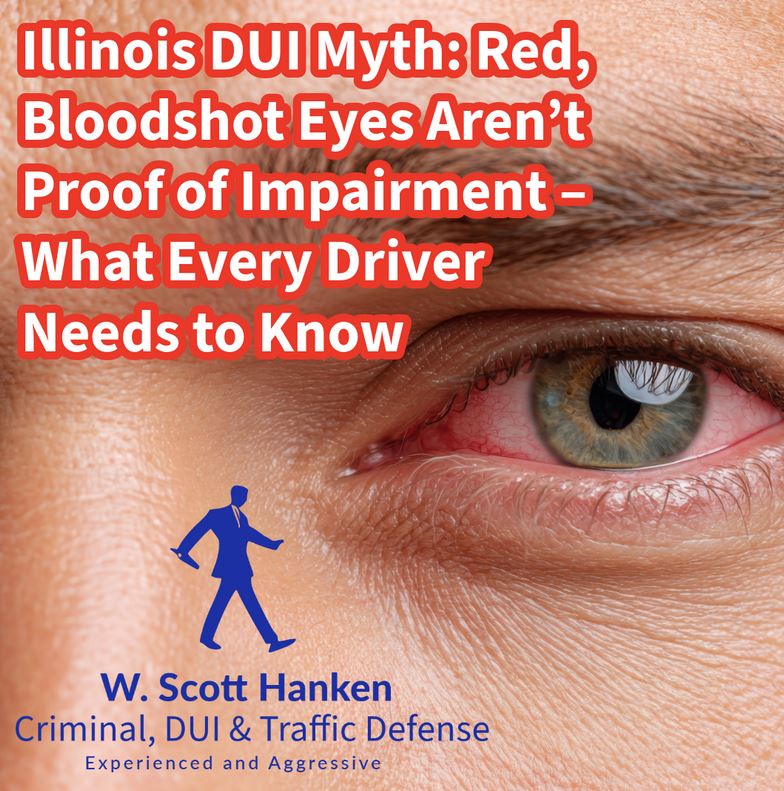
As an experienced and aggressive criminal defense attorney practicing in Springfield, Illinois for over 35 years, I’ve fought tooth and nail for countless clients slapped with DUI charges based on flimsy evidence.
Time and again, I see police officers from the Springfield Police Department, Sangamon County Sheriff’s Department and Illinois State Police leaning on the same tired trope: “The driver’s eyes were red, bloodshot, and glassy – clear signs of alcohol impairment.” But let me tell you straight – this is a myth that’s been debunked by science, Illinois courts, and common sense.
If you’ve been pulled over on I-55, Veteran’s Parkway or anywhere in Central Illinois and faced accusations tied to your eye appearance, you’re not alone. In this post, I’ll break down why red eyes don’t equal DUI guilt, backed by Illinois law and key findings from the National Highway Traffic Safety Administration (NHTSA). Let’s dismantle this overused excuse and arm you with the knowledge to protect your rights.
The Common Myth: Red Eyes as “Reasonable Grounds” for DUI Suspicion
Picture this: You’re driving home after a long day at Memorial Hospital or Bunn maybe dealing with Central Illinois allergies or dry winter air, and an officer pulls you over for a minor traffic infraction. They shine a flashlight in your face and jot down “bloodshot, glassy eyes” in their report. Suddenly, you’re under suspicion for driving under the influence (DUI) of alcohol. Police often cite this as part of their “reasonable suspicion” to extend the stop into a full DUI investigation, leading to field sobriety tests, breathalyzers, or even arrest.
But here’s the aggressive truth I hammer home in court: Red eyes prove nothing on their own. Officers use this subjective observation to justify probable cause, but it’s a weak crutch that crumbles under scrutiny. In my practice, I’ve successfully challenged dozens of Sangamon County DUI cases where bloodshot eyes were the linchpin of the prosecution’s argument, getting charges reduced or dismissed entirely.
Why? Because Illinois law demands more than a cop’s gut feeling or a vague description of your eyes.
Common Questions I hear in Springfield:
- Can a cop arrest me just for having red eyes in Illinois? No, they need probable cause a higher standard than your suspicion.
- What if I have allergies during an Illinois harvest season? This is a valid medical explanation that can undermine an officers testimony.
- Does a “glassy” look mean I’m high or drunk? Not necessarily; many factors, including fatigue, and environmental issues can cause this.
Illinois Law on Reasonable Suspicion and Probable Cause in DUI Cases
Under Illinois law, specifically the Illinois Vehicle Code (625 ILCS 5/11-501), driving under the influence is illegal if your blood alcohol concentration (BAC) is 0.08% or higher, or if alcohol impairs your ability to drive safely. But before an officer can arrest you, they need probable cause – facts that would lead a reasonable person to believe a crime occurred.
Reasonable suspicion allows a brief stop and investigation, but probable cause is required for arrest. Bloodshot eyes might contribute to suspicion, but Illinois courts have made it crystal clear: They aren’t enough alone.
In the landmark case People v. Day, 2016 IL App (3d) 150852, the Illinois Appellate Court ruled that bloodshot and glassy eyes, without additional factors like erratic driving, stumbling, or clear communication issues, do not establish probable cause for a DUI arrest. The defendant in that case was stopped for speeding, admitted to earlier drinking, and had an odor of alcohol – yet the court found the arrest invalid because the eyes alone didn’t seal the deal. The video evidence even contradicted claims of slurred speech, showing how subjective these observations can be.
This ruling is a game-changer for DUI defenses in Illinois. If your case hinges on eye appearance without solid corroboration, an aggressive attorney like me can file a motion to suppress evidence, potentially gutting the prosecution’s case. Remember, Illinois prioritizes your Fourth Amendment rights against unreasonable searches and seizures – don’t let officers bend the rules.
NHTSA’s Follow-Up Findings: Red Eyes Aren’t a Reliable Indicator
The National Highway Traffic Safety Administration (NHTSA), the federal agency behind standardized field sobriety tests (SFSTs), has long studied impairment cues. Their original research identified potential signs of alcohol influence, but follow-up studies revealed the flaws in relying on bloodshot eyes.
In NHTSA’s 1997 report, “The Detection of DWI at BACs Below 0.10,” researchers explicitly eliminated flushed faces and bloodshot eyes as validated cues for impairment. Why? Because these symptoms are “open to subjective interpretation” and can stem from non-alcohol factors like allergies, outdoor work, shift work, or fatigue. The report notes that bloodshot eyes are common among people with multiple jobs, environmental exposures, or health issues – not just drinkers.
NHTSA’s manuals for officers, like the Advanced Roadside Impaired Driving Enforcement (ARIDE) guide, acknowledge that red eyes could mimic conditions like conjunctivitis (pink eye) or even cannabis use, but emphasize they’re not definitive for alcohol impairment. Environmental factors play a huge role: Wind, dust, smoke, dry air, or even bright lights during a nighttime stop can cause redness. These findings underscore that bloodshot eyes are unreliable, yet officers still cite them routinely. In my aggressive defenses, I use these NHTSA insights to cross-examine officers and expose their overreach.
Why Red Eyes Happen: Environmental and Other Innocent Explanations
Let’s get real – red, bloodshot, or glassy eyes aren’t a smoking gun for alcohol. As Springfield DUI Lawyer who’s cross-examined hundreds of officers, I know the science backs this up. Here are common non-DUI causes:
- Allergies and Irritants: Pollen, pet dander, or pollution can inflame your eyes, leading to redness. In Illinois’ variable weather, this is everyday stuff.
- Fatigue and Sleep Deprivation: Late-night drives after a long shift? Bloodshot eyes are a hallmark of tiredness, not intoxication.
- Environmental Factors: Dry air in winter, wind while driving with windows down, or smoke from wildfires or Agricultural Dust – all can dry out and redden eyes.
- Medical Conditions: Dry eye syndrome, infections, or even medications cause similar symptoms. NHTSA itself warns that shift workers often have bloodshot eyes unrelated to alcohol.
- Contact Lenses or Eye Strain: Extended wear or screen time can lead to glassy, irritated eyes.
In court, I use these local realities and bring in expert witnesses or medical records to prove these alternatives, turning the prosecution’s “evidence” against them. Don’t let officers ignore these realities – fight back with facts.
How This Myth Impacts Your Illinois DUI Case – And How to Fight It
If you’re facing DUI charges in Illinois based partly on red eyes, this myth could be your ticket to a strong defense. Police reports often inflate these observations to build probable cause, but without video evidence or corroborating factors, they’re vulnerable. I’ve won suppressions and acquittals by highlighting:
- Subjective Bias: Officers’ descriptions are opinion, not fact. Dash-cam and Body-cam footage often tells a different story.
- Lack of Corroboration: Per People v. Day, eyes alone aren’t enough – demand proof of impairment.
- NHTSA Contradictions: Use federal findings to undermine the officer’s training and testimony.
Illinois DUI penalties are harsh: License suspension, fines up to $2,500 for a first offense, and potential jail time. But with an aggressive defense, you can challenge the stop, arrest, or evidence. If convicted, options like court supervision might avoid a permanent record.
Related Resources:
- Can Self-Testing Prevent a Dui?
- Consequences You Face After a DUI Arrest
- What Are the Consequences of Impaired Driving in Illinois?
Final Thoughts: Don’t Let a Myth Ruin Your Life – Contact an Aggressive DUI Attorney Today
As a battle-tested Springfield criminal defense attorney, I’ve seen too many innocent drivers railroaded by this “red eyes” myth. Illinois law and NHTSA research prove it’s unreliable, yet it persists because it’s easy for officers to claim.
If you’re in Springfield or across Central Illinois and dealing with a DUI charge, don’t go it alone. Reach out for a free consultation – I’ll review your case, expose the weaknesses, and fight relentlessly to protect your freedom and future. Remember, knowledge is power, and in DUI cases, it’s your best weapon against injustice.

Address
Our offices are located at the corner of South Fifth Street and Vine, in the historic Mary Bryant Home for the Blind.