- Free Consultation: (217) 544-4057 Tap Here To Call Us








Springfield, IL Mental Health Crisis Response Team: How Springfield Police Handle Crises & What It Means for Criminal & DUI Defense Cases


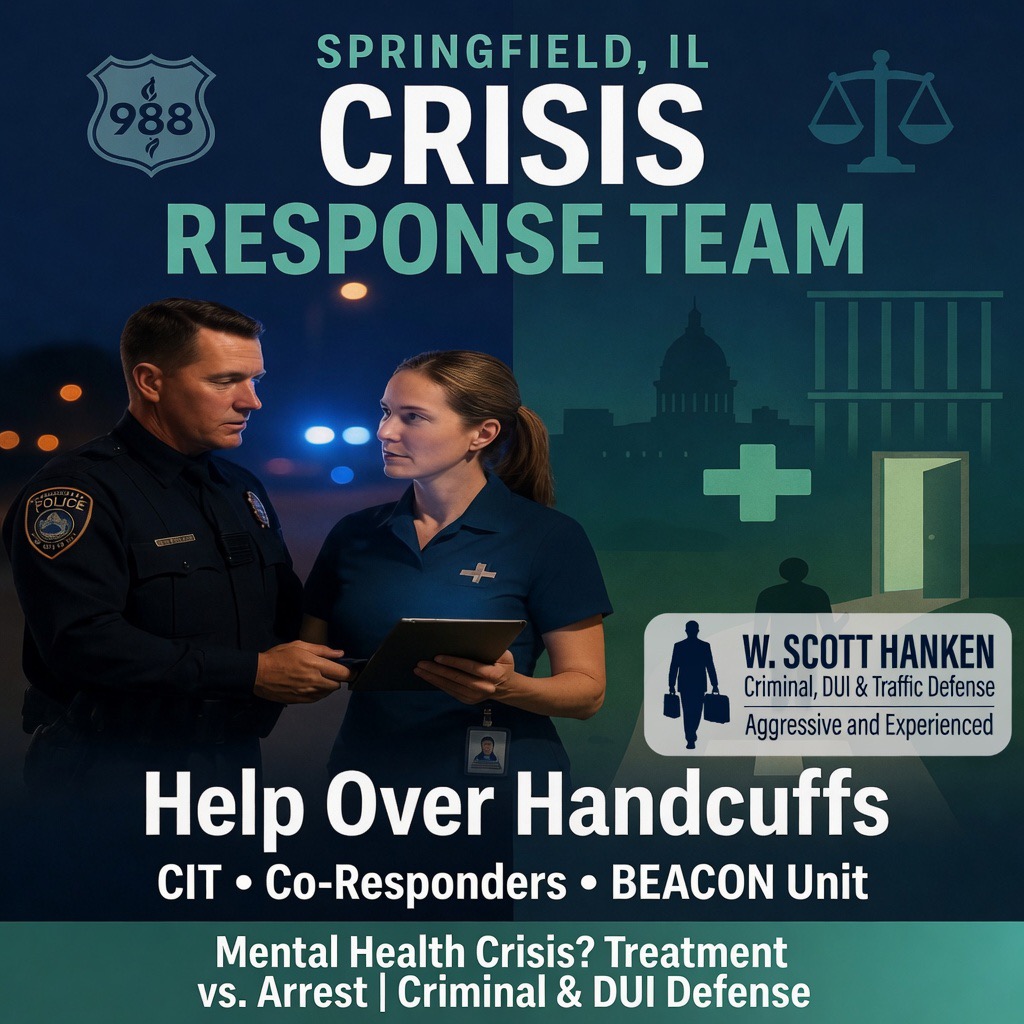
If you or a loved one in Springfield, Illinois faced police during a mental health or substance use crisis, you’re not alone. Many Sangamon County residents dealing with DUI charges, disorderly conduct, or other offenses tied to untreated mental illness or addiction wonder: What happens when Springfield PD’s crisis response team gets involved? Can it help avoid jail? How does the team decide between treatment and arrest?
As an experienced Springfield criminal defense attorney focusing on criminal defense and DUI defense in Central Illinois, I’ve reviewed countless cases where the Crisis Intervention Team (CIT), co-responders, and BEACON mobile unit played a key role. Their documentation often supports jail diversion, mental health court, or strong mitigation at sentencing.
This post explains the full picture—from program history to real-world decision-making under Illinois law—so you understand your options and why early legal help matters.
History of Springfield Police Crisis Response Programs
Springfield PD has led behavioral health responses for over two decades through partnerships with Memorial Behavioral Health and community stakeholders.
- 2003: SPD adopted the statewide Crisis Intervention Team (CIT) model. Officers complete 40 hours of specialized training in mental health recognition, de-escalation, and local resources. Many SPD officers remain CIT-certified with regular refreshers.
- 2018–2019: Launch of the co-responder program with Memorial Behavioral Health. Licensed clinicians (often clinical social workers) respond alongside officers for crisis calls, expanding from pilot to ongoing collaboration.
- October 2025: Introduction of the BEACON mobile response unit (Bridging Emergency and Community Outreach Network). This 24/7 program dispatches a licensed social worker with police and fire for mental health, addiction, and opioid-related calls. The unit features a specially equipped vehicle (BOLT) for on-scene assessments and referrals, funded in part by opioid lawsuit settlements.
These initiatives reflect years of collaboration to reduce unnecessary arrests and connect people to care.
Purpose of Springfield’s Crisis Response Programs
The programs prioritize safety while addressing root causes:
- Protect the individual in crisis, officers, and the public.
- Use calm, compassionate de-escalation.
- Divert appropriate cases to mental health or substance use treatment instead of arrest or hospitalization.
- Lower repeat 911 calls, ER visits, and justice system involvement.
In practice, this means treating behavioral health emergencies as health issues first—when safe and legally appropriate.
How the Crisis Response Works in Springfield
- Dispatch: A 911 call involving suicidal thoughts, erratic behavior, wellness checks, or substance-related distress may route a CIT-trained officer and/or BEACON/Memorial clinician.
- Team Response: Police handle scene safety and law enforcement authority while the licensed mental health professional provides clinical support.
- On-Scene Actions: The team applies de-escalation techniques, conducts immediate assessments, offers crisis counseling, and develops safety plans or referrals.
How the Team Decides Treatment vs. Incarceration: Key Factors & Illinois Law
This decision point directly impacts criminal cases in Sangamon County. The clinician performs a professional evaluation of mental status, risk, intoxication/withdrawal, and needs.
Decision Factors:
- No imminent danger or serious crime? Priority is voluntary treatment. Referrals go to outpatient services, housing support, medication management, or Memorial Behavioral Health follow-up.
- Imminent danger to self/others or “grave disability”? Under 405 ILCS 5/1-119, a person with mental illness may qualify for involuntary admission if they are reasonably expected to harm themselves/others or cannot meet basic needs without assistance. A peace officer may take the person into custody and transport to a facility under 405 ILCS 5/3-606 when reasonable grounds exist for immediate hospitalization to prevent harm. The focus stays on treatment, not jail.
- Crime occurred? Officers retain arrest authority. However, the clinician’s report documenting the crisis can support pretrial diversion, Sangamon County Mental Health Recovery Court, reduced charges, or sentencing mitigation—especially for low-level offenses like disorderly conduct tied to untreated conditions.
Goal: Safe jail diversion when clinically appropriate. Team documentation frequently demonstrates that behavior stemmed from mental health or addiction rather than criminal intent, strengthening defense strategies in DUI, drug, or misdemeanor cases.
Why Crisis Response Involvement Matters in Your Springfield Criminal or DUI Case
Real-world outcomes show these programs help many avoid cycles of arrest and incarceration. As your Springfield criminal defense lawyer, I immediately request all crisis team records. They provide powerful evidence for:
- Motions for treatment in lieu of prosecution.
- Entry into problem-solving courts.
- Mitigation arguments showing lack of criminal intent.
If substance use contributed (common in DUI defense), the response can support rehabilitation-focused resolutions under Illinois diversion options.
Take Action: Protect Your Rights in Springfield, IL
If police responded to a mental health or substance crisis and charges followed, contact a Springfield criminal defense attorney immediately. Early review of CIT/BEACON documentation can open doors to better outcomes.
Immediate Help:
- Mental health crisis: Call or text 988 (24/7) or Memorial Behavioral Health Mobile Crisis Response at 217-788-7070.
- Non-emergency Springfield Police: 217-788-8311.
Free Consultation — Serving Sangamon County and Central Illinois. Let me evaluate how the crisis response affects your case.
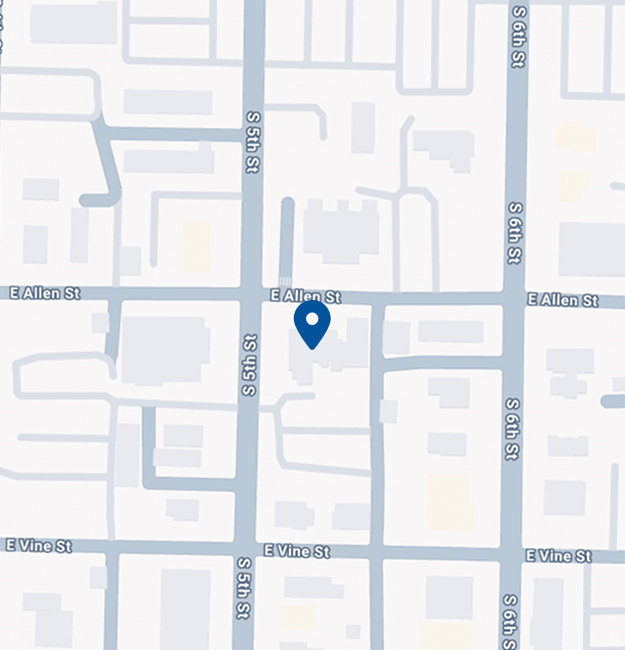
Address
Our offices are located at the corner of South Fifth Street and Vine, in the historic Mary Bryant Home for the Blind.