- Free Consultation: (217) 544-4057 Tap Here To Call Us





The Difference Between Assault and Battery in Illinois



Illinois prosecutes people who cause harm to others. There are a variety of different criminal charges that the state can pursue after a violent incident. Some people might find themselves facing assault charges, while others may end up accused of battery.
Understanding what distinguishes assault from battery in Illinois can be critical for those trying to develop a defense strategy. What separates assault from battery in Illinois?
Assault involves a credible threat of harm
Some states use the words “assault” and “battery” interchangeably or as a single phrase. Illinois separates assault from battery and treats each offense as a different type of crime.
If the state accuses a person of battery, the claim is that they physically injured another person or knowingly initiated physical contact to offend the other person. Battery can lead to felony or misdemeanor charges, depending on the circumstances.
Assault is different. It involves putting a person in credible fear of experiencing a battery. Verbal threats and menacing electronic messages could constitute assault. An argument that turns physical, on the other hand, might lead to battery charges.
In cases involving a threat using a weapon or assault in certain public locations, the state could pursue felony aggravated assault charges. Most of the time, simple assault is a misdemeanor. Possible defense strategies for assault charges include demonstrating that reasonable people may not view a threat as credible or establishing that there was a mistake in identifying the party involved in the incident. Threats that intimidate others are adequate justification for assault charges, even if no physical contact occurred.
Defendants who understand the law can focus on establishing a viable defense strategy instead of wasting their time due to misconceptions. Discussing what led to assault charges with a criminal defense lawyer can help people work to avoid a conviction.
Address
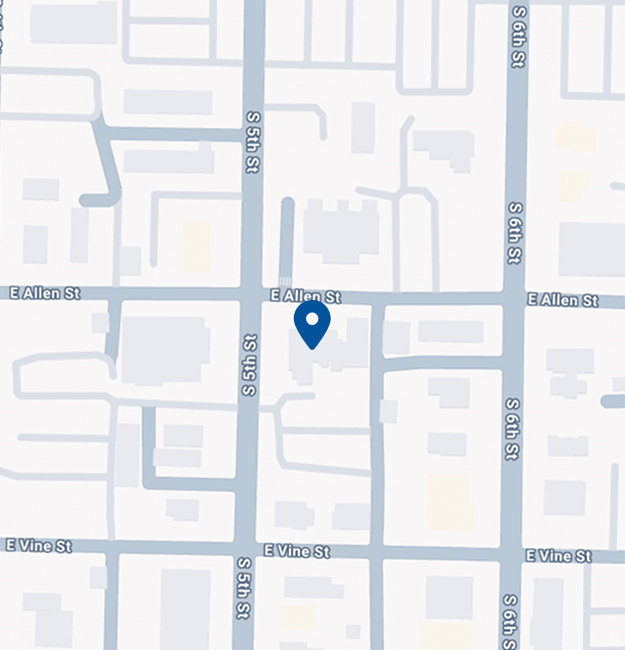
Our offices are located at the corner of South Fifth Street and Vine, in the historic Mary Bryant Home for the Blind.