

I Am a Former Prosecutor Who Will Fight for Your Rights












Drug Crimes Defense
Defending Those Accused of Drug Crimes
A drug charge in Illinois — even a first offense — is treated more seriously than most people expect. Most controlled substance possession charges start as felonies, not misdemeanors, and the exact charge can hinge on the type of substance and its weight down to the gram. W. Scott Hanken has spent 37+ years in Illinois courtrooms, including time as a Sangamon County prosecutor, and uses that experience to find the weak points in how drug cases are built and evidence is gathered.
📞 Call (217) 544-4057 for a Free, Confidential Consultation
A Former Prosecutor on Your Side
An arrest is not a conviction, and a drug charge does not have to define your future. Whether the case involves a small personal-use amount, a possession-with-intent charge, or a manufacturing or delivery allegation, the strength of the prosecution’s case almost always comes down to a handful of details: how the substance was found, whether the search was lawful, and whether the State can actually prove you knew the substance was there and had control over it.
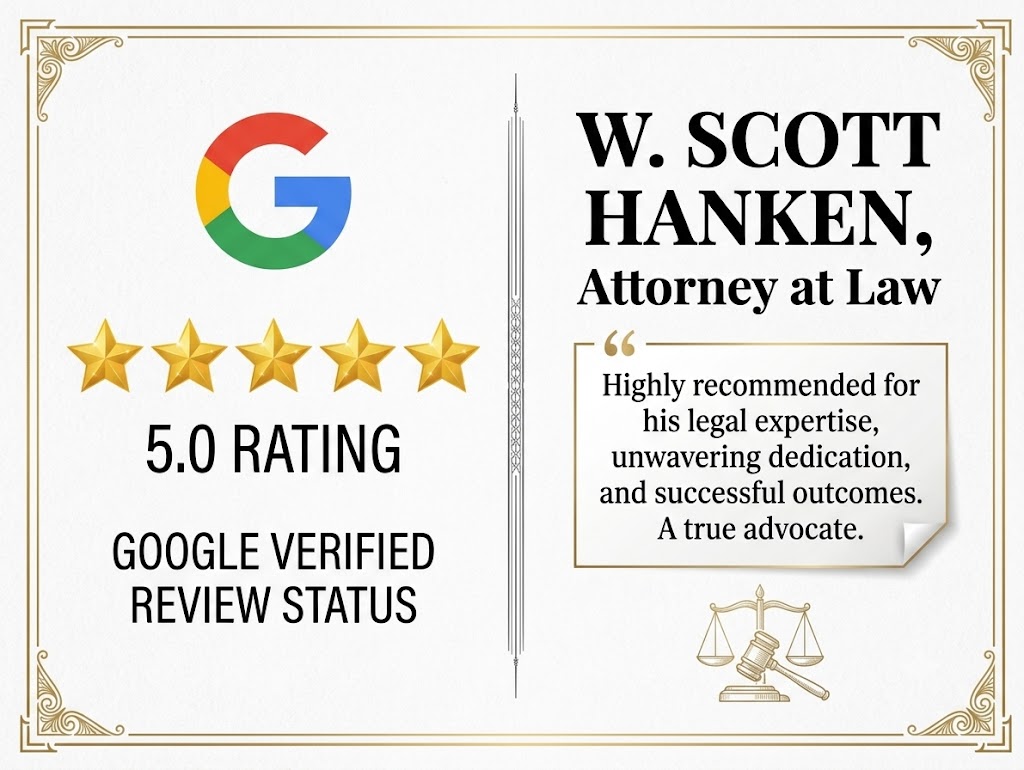
Attorney Hanken brings the rare perspective of having prosecuted these exact cases before spending decades defending against them. He’s rated Avvo 10.0 “Superb,” has been voted “Best Attorney” by both the Illinois Times and the State Journal-Register, and has earned 270+ five-star Google reviews and 340+ five-star FindLaw reviews. His office is in Springfield, a short walk from the Sangamon County Courthouse where most local drug cases are heard.
Types of Drug Crimes We Defend
Illinois prosecutes drug offenses across a wide range of charges, and the right defense strategy depends heavily on which one you’re facing.
This office handles:
- Possession of a controlled substance — knowingly possessing an illegal drug, even in small amounts
- Possession with intent to deliver — when prosecutors allege you intended to sell or distribute the substance
- Manufacturing or delivery of a controlled substance — producing or transporting drugs, which carries some of the harshest penalties in the Illinois Controlled Substances Act
- Cannabis offenses — possession outside Illinois’s legal limits, or unlicensed cultivation or sale
- Prescription drug charges — possessing controlled medication without a valid prescription, or in a quantity that suggests distribution
- Drug asset forfeiture proceedings — the civil case the state often files alongside criminal drug charges to seize cash, vehicles, or property
Illinois Drug Possession Penalties: Schedule and Weight Matter
Under the Illinois Controlled Substances Act (720 ILCS 570/402), most drug possession charges are felonies from the moment they’re filed — the exact class depends on the substance and the amount involved.
For most Schedule I, II, III, IV, or V substances not specifically itemized in the statute, simple possession is a Class 4 felony, generally punishable by 1 to 3 years in the Illinois Department of Corrections and fines up to $25,000.
For heroin, cocaine, morphine, LSD, and several other specified substances, the statute sets out a weight-based sentencing table under a Class 1 felony:
| Amount | Potential Prison Term |
|---|---|
| 15–99 grams | 4–15 years |
| 100–399 grams | 6–30 years |
| 400–899 grams | 8–40 years |
| 900 grams or more | 10–50 years |
Methamphetamine is regulated separately under the Methamphetamine Control and Community Protection Act, with felony-level penalties that can apply even to small amounts. Offenses involving fentanyl carry a mandatory additional 3 years added to the sentence under current Illinois law.
These numbers are starting points, not outcomes — the actual charge prosecutors file, and the sentence a judge imposes, depend heavily on the specific facts, the lab results, and how the evidence was obtained.
Cannabis Possession: A Different Set of Rules
Illinois decriminalized small amounts of cannabis for adults 21 and older, but possession outside the legal limits — or by anyone under 21 — can still result in real criminal charges.
Under Illinois’s Cannabis Control Act, penalties scale by weight:
- 10 grams or less: Civil violation only — a fine, not a criminal charge
- More than 10 but not more than 30 grams: Class B misdemeanor — up to 6 months in jail and a fine up to $1,500
- More than 30 but not more than 100 grams: Class A misdemeanor — up to 364 days in jail and a fine up to $2,500
- More than 100 grams: Felony charges, ranging from Class 4 to Class 1 depending on the amount, with prison terms up to 15 years and fines up to $25,000
Anyone under 21 caught with any amount of cannabis, or using a fake ID to try to purchase it, can also face misdemeanor charges and license consequences separate from the cannabis charge itself.
Manufacturing, Delivery & Possession with Intent (PWID)
Charges involving the sale, delivery, or manufacture of a controlled substance carry significantly steeper penalties than simple possession of the same substance.
Prosecutors don’t need to catch you in the act of selling to bring a possession-with-intent charge. Evidence like packaging materials, scales, large amounts of cash, or a quantity of the drug that exceeds typical personal use can all be used to argue intent to deliver. Manufacturing charges — for methamphetamine labs or other drug production — are treated even more seriously, often as Class X or Class 1 felonies depending on the substance and quantity involved.
Aggravating factors can increase these charges further, including the involvement of a firearm, sales to a minor, or delivery near a school or other protected location.
Constructive Possession: When the Drugs Aren’t Found On You
You can be charged with drug possession even if the substance wasn’t on your physical person, found in your home, or even in a place you knew about — if prosecutors can show you had knowledge and control over it.
This is called constructive possession, and it’s one of the most commonly contested elements in Illinois drug cases. A few real-world examples:
- Drugs found in a car you were driving but didn’t own
- A substance found in a shared apartment or a roommate’s belongings
- Access to a lockbox, safe, or storage unit where drugs were found
To convict on a constructive possession theory, the State has to prove you knew the substance was present and had the power and intent to control it — not just that you were nearby. This is frequently where drug cases are won or lost.
Your Rights If You’re Arrested for a Drug Crime
You have the right to remain silent, the right to an attorney, and protection against unlawful searches — and how you use those rights in the first hours after an arrest can shape the entire case.
If you’re stopped or arrested for a suspected drug crime:
- Stay calm and don’t argue the charges on the scene. Anything you say can be used against you, and officers at this stage are focused on building their case, not hearing your explanation.
- Use your right to remain silent. You don’t have to answer questions without a lawyer present.
- Ask for an attorney immediately. Once you’ve requested one, questioning is supposed to stop.
- Don’t consent to a search. Police generally need a warrant or probable cause to search your property; you are not required to give permission, and you should not.
- Don’t run, and don’t resist. Protecting your case starts with protecting yourself in the moment.
You’re also entitled to a presumption of innocence and a fair, speedy trial. These protections exist for a reason, and asserting them early is one of the most effective things you can do for your own defense.
Alternatives to Incarceration: Probation, Drug Court & Treatment Options
Illinois law offers several paths that can keep a drug conviction off your record entirely — but most are only available if you act before pleading guilty, not after.
Depending on your record and the charge, options can include:
- Section 410 Probation — available to people with no prior felony drug conviction. If you successfully complete a 24-month probation period, no conviction is ever entered, and the case becomes eligible for expungement five years later.
- Second Chance Probation — similar protections to 410 probation, but requires the prosecutor’s consent.
- TASC (Treatment Alternatives for Safe Communities) — a treatment-focused diversion program that can result in the arrest being expunged from your record upon successful completion.
- Drug court diversion — a specialized court track focused on treatment and supervision rather than incarceration.
- Impact incarceration / boot camp programs — a shorter, intensive alternative to a standard prison sentence for some eligible offenders.
Eligibility for each of these depends on your criminal history, the specific charge, and the facts of your case. The right time to evaluate these options is before any plea is entered — not after.
Drug Asset Forfeiture: Protecting Your Property
A drug charge often comes with a second, separate fight — a civil case aimed at permanently taking your cash, vehicle, or other property, even if you’re never convicted of the underlying crime.
Illinois allows law enforcement to seize property believed to be connected to drug activity through a civil forfeiture proceeding, separate from your criminal case. Because this is a civil matter, the burden of proof is lower than in a criminal trial — which means your property can be at risk even in cases where the criminal charges are reduced or dismissed. Fighting a forfeiture action requires its own strategy, filed within strict deadlines, and is worth raising with your attorney from the very first conversation about your case.
How We Fight Drug Charges
Drug cases are won or lost on procedure as often as on the facts — how the search happened, how the evidence was handled, and whether the State can actually prove what it needs to prove.
Common defense strategies include:
- Challenging the search itself — if police lacked a valid warrant, probable cause, or your genuine consent, evidence obtained as a result may be suppressed
- Disputing constructive possession — arguing you didn’t know about the substance or didn’t have control over it
- Questioning chain of custody and lab testing — drug evidence has to be properly collected, stored, and tested; breaks in that process can undermine the State’s case entirely
- Arguing the substance belonged to someone else — a common and often provable defense, particularly in shared vehicles or residences
- Raising Miranda violations — statements obtained without proper warnings, after a request for an attorney, may not be admissible
Even where a full dismissal isn’t realistic, negotiated outcomes — reduced charges, alternative sentencing, or treatment-based dispositions — are often on the table with the right approach.
Frequently Asked Questions (FAQs)
When does a drug crime become a felony in Illinois?
Unlike some other charges, most controlled substance possession in Illinois starts as a felony — typically Class 4 at minimum — rather than a misdemeanor. The exact class depends on the type of drug and the amount involved; cannabis is the major exception, with smaller amounts treated as civil violations or misdemeanors.
Can police search my car or home without my permission?
Generally, no — police need either a warrant, your genuine consent, or probable cause to believe evidence of a crime is present. The odor of cannabis alone is not sufficient probable cause to search a vehicle under current Illinois case law. If you’re arrested, however, officers may search you and the immediate area as part of the arrest itself.
What’s the difference between possession and possession with intent to deliver?
Simple possession means you knowingly had a controlled substance. Possession with intent to deliver adds an allegation that you intended to sell or distribute it — based on evidence like the quantity involved, packaging materials, scales, or cash. PWID charges carry substantially harsher penalties than possession alone.
What is “constructive possession,” and can I be charged for drugs that weren’t mine?
Yes, in certain circumstances. Constructive possession means you didn’t have the drugs physically on you, but the State alleges you knew about them and had the ability to control them — for example, drugs found in a car you were driving or an apartment you share. This is one of the most frequently contested issues in Illinois drug cases.
Is rehabilitation or treatment an option instead of jail?
Often, yes — particularly for first-time and nonviolent offenders. Illinois offers several diversion paths, including Section 410 probation, Second Chance probation, TASC, and drug court, that focus on treatment rather than incarceration and can keep a conviction off your record entirely.
Can a drug conviction be expunged from my record in Illinois?
It depends on how the case resolves. Successful completion of Section 410 probation, Second Chance probation, or TASC can make a case eligible for expungement — but a standard conviction generally cannot be expunged. This is one of the most important reasons to explore alternative sentencing before entering any plea.
Do I need a lawyer if this is my first drug charge?
Yes. Even first-time offenses are typically charged as felonies in Illinois, and the alternative sentencing options that can protect your record — probation, drug court, TASC — usually have to be requested and negotiated before a plea is entered. Going in without an attorney risks losing access to those options.
More on Drug Crimes from Our Blog
For deeper dives into specific drug charge issues — possession, trafficking, and diversion programs — visit our Drug Crimes blog category.
Schedule Your Free Consultation
A drug charge moves fast, and the options that can protect your record — diversion programs, suppression motions, negotiated reductions — are easiest to secure early, before a plea is entered. The sooner an experienced defense attorney is involved, the more options stay on the table.
Call W. Scott Hanken at (217) 544-4057 or contact the office online to schedule a free, confidential consultation. The firm serves clients throughout Springfield, Sangamon County, and Central Illinois.
📍 1100 S 5th St, Springfield, IL 62703 ☎ (217) 544-4057 🌐 hankenlaw.com
This page is for general informational purposes only and does not constitute legal advice. Every case is unique — contact W. Scott Hanken directly for guidance on your specific situation.
Address
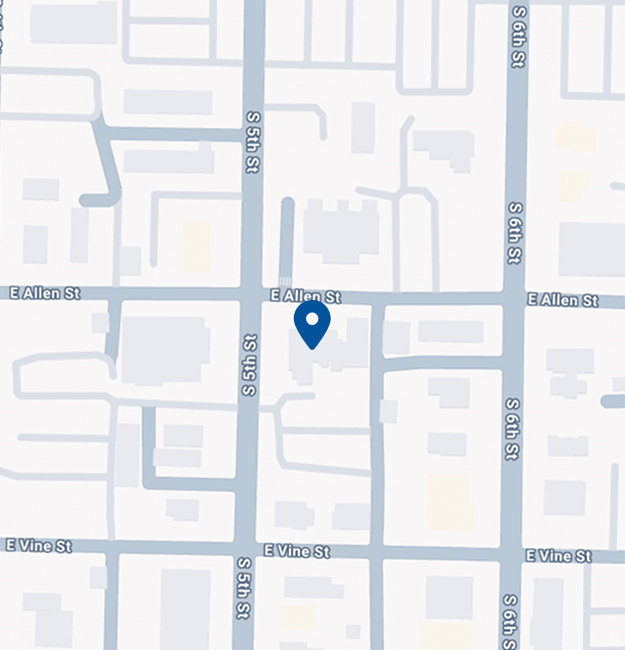
Our offices are located at the corner of South Fifth Street and Vine, in the historic Mary Bryant Home for the Blind.