

I Am a Former Prosecutor Who Will Fight for Your Rights












Expungement & Record Sealing
Clearing Your Path Forward
A criminal record doesn’t have to follow you forever. Illinois law allows many arrests, dismissed charges, and even some convictions to be expunged (destroyed) or sealed (hidden from public view) — but not every case qualifies, and filing the wrong petition for the wrong offense can mean months of delay or an outright denial. As a former Sangamon County prosecutor, Scott Hanken has reviewed record-relief petitions from both sides of the courtroom and knows exactly what a judge and State’s Attorney look for before signing off.
📞 Call (217) 544-4057 for a Free, Confidential Consultation
A Former Prosecutor on Your Side
Before representing people fighting to clear their record, Scott Hanken spent years as a Sangamon County prosecutor deciding which cases to pursue and which to let go. That experience means he knows how a State’s Attorney evaluates an objection to a sealing or expungement petition — and how to build a petition that heads off that objection before it’s filed.
Expungement vs. Sealing: Two Different Kinds of Relief
Illinois law treats these as two separate remedies, and which one applies to your case depends entirely on how your case ended.
| Expungement | Sealing | |
|---|---|---|
| What happens to the record | Physically destroyed or returned to you; your name is removed from the official court index | Preserved, but locked away from public access |
| Who can still see it | No one — the law treats it as if the arrest or charge never happened | Law enforcement, courts (for future sentencing), and certain state licensing agencies |
| Typical qualifying outcomes | Arrest with no charges filed, dismissed charges, acquittal, a reversed or vacated conviction, or successfully completed supervision or qualified probation | Most convictions, including many felonies, that aren’t on the excluded list below |
| Waiting period | None for arrests/dismissals/acquittals; 2–5 years for completed supervision or probation, depending on the offense | Generally 2–3 years after your sentence ends, depending on the record type |
What Cannot Be Expunged or Sealed
A small number of offenses are permanently off-limits for both forms of relief under Illinois law, no matter how much time has passed:
- DUI (625 ILCS 5/11-501) — this is one of the clearest lines in the statute. A DUI conviction, and even DUI-related court supervision, can never be expunged or sealed in Illinois. If your case involves a DUI, our DUI Defense page covers what to expect and how to fight the charge itself, since record relief won’t be available afterward.
- Sexual offenses committed against a minor
- Most domestic-violence-related offenses, for purposes of sealing
- Offenses requiring registration under the Sex Offender Registration Act
- Minor traffic tickets, unless you were arrested and released without being charged
Am I Eligible? Waiting Periods at a Glance
| Case Outcome | Relief Available | Waiting Period |
|---|---|---|
| Arrested, no charges filed | Expungement | None |
| Charges dismissed or acquitted | Expungement | None |
| Conviction reversed or vacated on appeal | Expungement | None |
| Court supervision completed (most offenses) | Expungement | 2 years after supervision ends |
| Court supervision completed (certain offenses, including some traffic-related and domestic battery cases) | Expungement | 5 years after supervision ends |
| Qualified drug or alcohol probation completed | Expungement | 5 years after probation ends |
| Conviction (most misdemeanors and many felonies not on the excluded list) | Sealing | 2–3 years after your sentence ends |
Not sure which category your case falls into? That’s exactly the kind of question a 15-minute call can answer. Reach out at (217) 544-4057.
Cannabis Convictions: A Separate, Often Faster Pathway
If your record involves an old cannabis charge, it likely doesn’t follow the waiting periods above at all. Illinois created a dedicated expungement pathway for cannabis-related records when it legalized recreational cannabis, separate from standard expungement and sealing. Many arrest records clear automatically with no filing required, and a 2026 change to state law expanded who qualifies. See our full guide to Cannabis Conviction Expungement in Illinois to find out where your case stands.
A Faster Path: Immediate Sealing for Certain Achievements
Here’s a detail most people never learn about: if you earned a high school diploma, GED, career or vocational certificate, or an associate’s or bachelor’s degree while serving your sentence or during mandatory supervised release, Illinois law lets you petition to seal eligible records immediately — without waiting out the standard 2–3 year clock. This only applies if you hadn’t already completed that same educational goal before your sentence began.
The Petition Process
- File a verified petition with the circuit court clerk in the county where the arrest or charge occurred. If you were arrested in more than one county, a separate petition is required in each.
- The court notifies the State’s Attorney, the Illinois State Police, and the arresting agency.
- A 60-day objection window opens. Any of those parties can file a written objection.
- No objection filed — the judge rules on the petition without a hearing.
- Objection filed — the court schedules a hearing, where the judge weighs factors including the strength of the original case, your record since, and the specific hardship the record is causing you.
- If granted, the relevant agencies must complete the sealing or expungement within 60 days of the order.
Why It’s Worth Doing
An arrest or conviction on your record — even one that never led to a conviction, or one from decades ago — can follow you into job applications, housing applications, professional licensing, and even volunteer opportunities. Many employers and landlords run a background check as a routine step, and a record that never resulted in a conviction can still cost you an opportunity if it’s never been formally cleared.
Frequently Asked Questions (FAQs)
What’s the difference between expungement and sealing in Illinois?
Expungement physically destroys the record — legally, it’s treated as though the arrest or charge never happened. Sealing keeps the record on file but hides it from public view; law enforcement and certain licensing agencies can still see it. Which one applies to you depends on how your case ended.
Can a DUI be expunged in Illinois?
No. DUI convictions, and even DUI-related court supervision, are permanently excluded from both expungement and sealing under Illinois law. This is one of the few offenses with no waiting period that eventually makes it eligible — it simply never becomes eligible.
How long do I have to wait before I can seal my record?
It depends on the type of record. Sealing eligible convictions generally requires a 2–3 year wait after your sentence ends, though certain achievements — like completing a degree or certificate during your sentence — can qualify you for immediate sealing instead.
Will an expunged or sealed record show up on a background check?
An expunged record should not appear on a standard background check, since the law treats it as if it never happened. A sealed record is hidden from the general public and most employers, but certain licensing agencies and law enforcement retain access.
Do I need a lawyer to file a petition, or can I do it myself?
You’re not required to have a lawyer, but the process involves strict filing requirements, notice deadlines, and — if an objection is filed — a hearing where the outcome depends on how well the petition is prepared. A single filing error can mean starting the process over.
What happens if the State’s Attorney objects to my petition?
The court will schedule a hearing where both sides present their position. The judge considers the strength of the original case, your history since the offense, and the specific hardship you’re facing because the record hasn’t been cleared. Having an attorney who has argued both sides of these hearings can make a meaningful difference in that setting.
More on Expungement & Record Sealing from Our Blog
As we publish more on Illinois expungement and sealing law, you’ll find it in our Expungement & Record Sealing blog category.
Schedule Your Free Consultation
A record that’s holding you back from a job, an apartment, or a fresh start doesn’t get better by waiting — and some forms of relief are only available within specific windows after your case closes. The sooner your eligibility is evaluated, the sooner you’ll know exactly what’s possible.
Call W. Scott Hanken at (217) 544-4057 or contact the office online to schedule a free, confidential consultation. The firm serves clients throughout Springfield, Sangamon County, and Central Illinois.
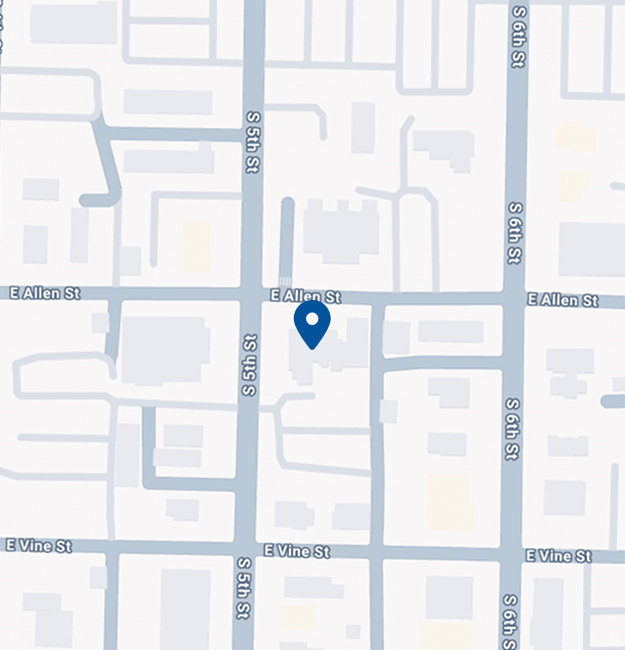
📍 1100 S 5th St, Springfield, IL 62703 ☎ (217) 544-4057 🌐 hankenlaw.com
This page is for general informational purposes only and does not constitute legal advice. Every case is unique — contact W. Scott Hanken directly for guidance on your specific situation.
Address
Our offices are located at the corner of South Fifth Street and Vine, in the historic Mary Bryant Home for the Blind.