- Free Consultation: (217) 544-4057 Tap Here To Call Us














Alternative Sentencing Options for Drug Cases in Illinois


Last Reviewed & Updated: August 13, 2026
By: W. Scott Hanken | Former Sangamon County Prosecutor | Springfield Criminal Defense & Drug Crimes Defense Attorney | Voted “Best Attorney” — Illinois Times Best of Springfield & State Journal-Register Reader’s Choice | Springfield, IL | Sangamon County | (217) 544-4057 | hankenlaw.com
The impact of a drug case on an accused individual can be significant. To prevent the entire course of the accused individual’s life from changing and being derailed because of a drug arrest, accused individuals should be familiar with drug crime defense options and alternative sentencing options.
Alternatives to Time Behind Bars
Illinois offers several paths that can help someone facing a drug charge avoid a standard prison sentence — some by resolving the case without a conviction at all, others by reducing time behind bars through treatment or supervision instead.
TASC (Treatment Alternatives for Safe Communities)
TASC is a nonprofit organization with offices across Illinois, including Sangamon County, that provides case management and treatment services for people with substance use disorders who are involved in the criminal justice system. Under TASC probation, a defendant can ask the court for treatment instead of jail or prison. Eligibility generally requires a documented connection between the person’s substance use and the offense, and TASC probation is generally not available for violent crimes.
Section 410 Probation
Under Section 410 of the Illinois Controlled Substances Act (720 ILCS 570/410), a person with no prior felony drug conviction who pleads guilty to or is found guilty of simple possession of a controlled substance may be sentenced to a 24-month term of probation without the court entering a judgment of conviction. Conditions include not committing new offenses, not possessing a firearm, submitting to drug testing at least three times, and completing at least 30 hours of community service. If the person successfully completes probation, the court discharges the person and dismisses the case — it is never entered as a conviction, and the case then becomes eligible for expungement.
Second Chance Probation
Second Chance Probation (730 ILCS 5/5-6-3.4) offers similar protections to Section 410 probation but requires the prosecutor’s consent before the court can grant it.
Drug Court
Illinois’s Drug Court Treatment Act (730 ILCS 166) allows the chief judge of each judicial circuit to establish a drug court program — a structured judicial track that combines substance abuse treatment, case management, and close court supervision in place of a standard prosecution and sentence.
Impact Incarceration (“Boot Camp”)
The impact incarceration program (730 ILCS 5/5-8-1.1), sometimes called “boot camp,” is a shorter, more intensive alternative to a standard prison sentence for some eligible offenders. If a participant successfully completes the program, their sentence is reduced to time served.
It may also be possible to seek a plea arrangement or other negotiated outcome that leads to probation rather than incarceration. Which of these options is available — and which makes sense — depends on the specific charge, the person’s criminal history, and the facts of the case.
Frequently Asked Questions (FAQs)
No. TASC is a treatment-and-case-management organization that courts can refer people to as a condition of probation, while drug court is a separate, specialized court track built around judicial supervision. The two are often used together but are not the same program.
Yes. Section 410 probation requires pleading guilty to or being found guilty of the underlying possession charge. The court does not enter a formal judgment of conviction if probation is completed successfully.
Both can keep a conviction off your record, but Second Chance Probation requires the prosecutor’s consent, while Section 410 probation does not.
No. Completing a program like Section 410 probation or Second Chance Probation makes a case eligible for expungement — a separate expungement petition still has to be filed afterward.
These options generally have to be requested and negotiated before a plea is entered, so involving an attorney early matters. Going in without one risks losing access to programs like Section 410 probation, Second Chance Probation, or drug court.
Further Reading
Practice Area
Related Articles
- Illinois Entrapment Defense: What Actually Works — For readers weighing whether to fight the charge itself before considering probation or diversion.
- Can Police Search Your Trash in Illinois? — Covers how drug evidence gets challenged before a case ever reaches the sentencing-alternatives stage.
- Illinois Hemp Act 2026: Is Delta-8 Now Illegal? — Explains which newly regulated substances can now trigger the kind of drug charge this post addresses.
- Sangamon County Expungement Process Guide — Walks through the actual filing steps once a case becomes eligible for expungement.
Browse by Topic
Ready to Fight Your Drug Charge in Springfield?
Call W. Scott Hanken at (217) 544-4057 or contact us online for a free consultation. We serve clients throughout Springfield, Sangamon County, and Central Illinois.
About the Author: W. Scott Hanken, Attorney at Law
Scott Hanken is a Springfield, Illinois criminal defense attorney with over 37 years of experience, including service as a former Sangamon County prosecutor. He has been voted Best Attorney by the Illinois Times and State Journal-Register, holds an Avvo 10.0 “Superb” rating, and has earned over 270 five-star Google reviews. He serves clients throughout Sangamon County and Central Illinois.
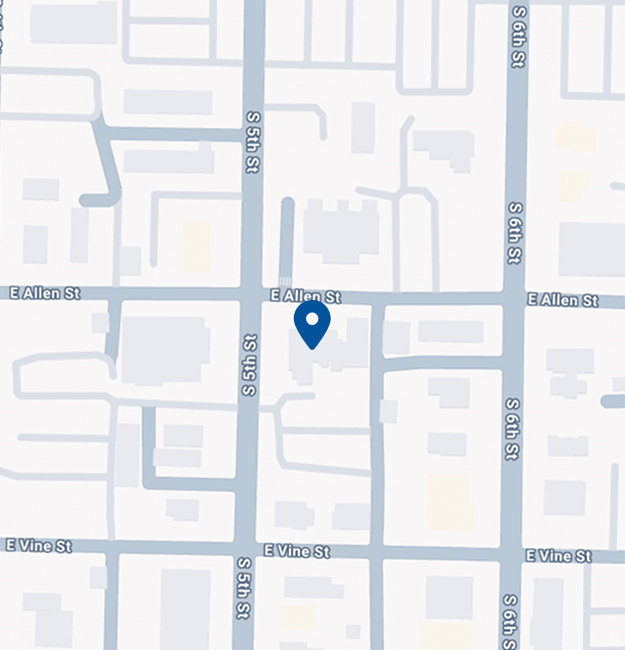
📍 1100 S 5th St, Springfield, IL 62703 | ☎ (217) 544-4057 | 🌐 hankenlaw.com
This article is for general educational purposes only and does not constitute legal advice. Every case is unique — contact an experienced Springfield criminal defense attorney for guidance on your specific situation.
Address
Our offices are located at the corner of South Fifth Street and Vine, in the historic Mary Bryant Home for the Blind.